Building a Predictable Evening Routine Without the Power Struggles

Are you tired of the nightly meltdown that seems to arrive right on cue as soon as the sun goes down? Bedtime shouldn't feel like a wrestling match or a negotiation where you lose a little more of your sanity every single night. This post covers how to build a rhythmic, predictable evening that actually works for your family, focusing on a slow approach that prioritizes connection over strict compliance. It matters because a predictable end to the day sets the tone for better sleep, calmer evenings, and a more regulated nervous system for both you and your child.
A routine is not about a rigid, military-style schedule. It's about rhythm. When we talk about a slow parenting approach to evenings, we're talking about a series of cues that tell a child's body and brain that the high-energy part of the day is over. Instead of rushing through tasks to get to the finish line, we're slowing down to make the transition feel natural and safe.
How do I make bedtime less stressful for my child?
The stress often stems from the abruptness of the transition. We go from high-intensity play or screen time straight to "go to bed now." That's a massive shock to a child's system. To make bedtime less stressful, you need to build in a buffer zone. This is where the concept of a "winding down" period becomes your best friend. Instead of a sudden stop, think of it as a gradual deceleration.
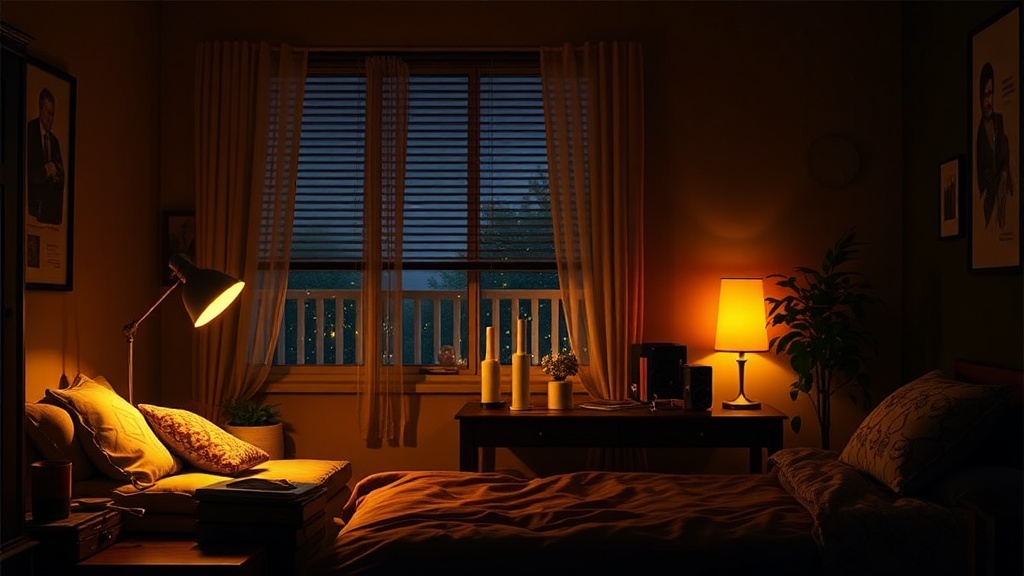
Start by dimming the lights in the main living areas at least an hour before sleep. This signals to the circadian rhythm that it's time to wind down. You might also consider a digital sunset—turning off tablets and loud games—well before the actual bedtime. This isn't about being a strict disciplinarian; it's about providing a physical signal that the environment is changing. Research from the Sleep Foundation suggests that light exposure plays a massive role in how easily we transition into rest. By managing the light and the noise levels, you're doing half the work for them.
Can a predictable routine actually reduce tantrums?
Yes, and there's a psychological reason for it. When a child knows exactly what comes next, their sense of agency and security increases. Much of the resistance we see during evening hours comes from a lack of control or a fear of the unknown. If a child feels like they are being forced into a situation without warning, they fight back. A predictable routine removes the element of surprise.
Try using a visual schedule or a simple checklist. This doesn't have to be a formal chart, but a way to show them the sequence:
- Warm bath or foot soak
- Pyjamas and soft clothes
- Quiet reading or storytelling
- Low-light connection time
What should I do if my child refuses to go to bed?
If the refusal happens, it's usually a sign that the transition was too fast or the connection was too low. Instead of meeting their resistance with more volume or more firmness, try meeting it with more stillness. If they are jumping on the bed or complaining about a phantom thirst, don't engage in the debate. State the boundary calmly and return to the rhythm.
Sometimes, the "refusal" is actually a bid for one more moment of your attention. If you've been busy all day, they might be starving for that connection. This is why the final stage of the routine—the part that happens in the actual bed—is so important. This shouldn't be a time for checking emails or scrolling through your phone while they talk. It's a time for presence. Even five minutes of focused, eye-to-eye conversation can prevent a twenty-minute standoff later. A study on child development found through Child Development Info emphasizes that consistent, calm parental presence is a primary regulator for children. If you are calm, they will eventually mirror that calmness.
Another tip is to watch for the "overtired" window. Many parents try to push through the fatigue, but once a child hits that certain level of exhaustion, their cortisol levels spike, making it nearly impossible for them to settle. It's better to move the entire routine up by thirty minutes than to fight a battle against a child who is physically incapable of being calm.
Let's look at a sample of what a slow, rhythmic evening might look like compared to a frantic one:
| The Frantic Evening | The Slow Rhythm |
|---|---|
| 7:00 PM: "Get your pajamas on now!" | 7:00 PM: Dim lights, soft music in background. |
| 7:15 PM: Quick bath, rushing to avoid late bedtime. | 7:15 PM: Warm bath with focus on sensory comfort. |
| 7:30 PM: "One more minute of TV, then bed." | 7:30 PM: Quiet reading or storytelling in bed. |
| 7:45 PM: Bedtime reached, but child is crying/fighting. | 7:45 PM: Gentle physical presence and quiet connection. |
Remember, the goal isn't perfection. Some nights will still be hard. The goal is to build a foundation of predictability so that your child feels safe enough to let go of the day and rest. It's about creating a space where they can transition from the high-energy world of play into the quiet world of sleep without feeling like they're being forced into it. It's a slow, steady build toward a more peaceful night for everyone involved.