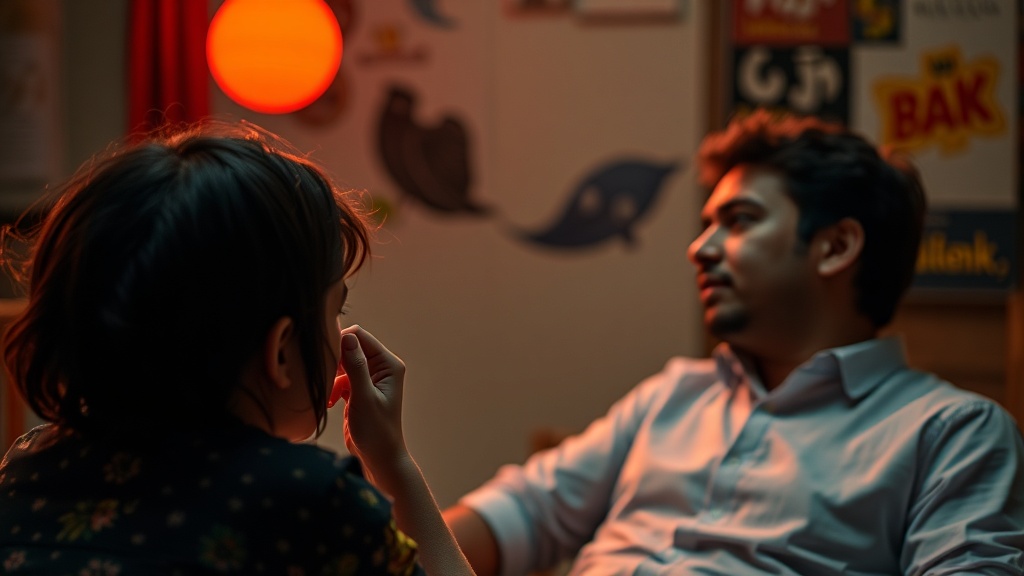
Embracing Boredom as a Tool for Playful Growth

Quick Tip
Resistance the urge to entertain your child; boredom is the birthplace of imagination.
A four-year-old sits on the living room rug, staring blankly at a pile of wooden blocks. They aren't building. They aren't even moving. They’re just... sitting there. To a busy parent, this looks like a lack of engagement or a sign of a "boring" afternoon. But in the world of slow parenting, that stillness is actually a vital developmental window.
We often rush to fill every gap in a child's schedule with a structured activity or a digital screen. We think we're helping them stay engaged, but we're actually robbing them of the chance to develop internal drive. This post looks at why letting your child be bored is one of the best things you can do for their cognitive development.
Why is boredom good for kids?
Boredom forces a child to look inward to find entertainment, which builds creativity and problem-solving skills. When the external stimulation stops, the brain has to start generating its own ideas. It’s a natural transition from passive consumption to active creation.
Think about the difference between watching a high-octane show on a tablet versus playing with a simple set of LEGO bricks. One is a directed experience; the other is an open-ended one. Without the constant dopamine hits from bright colors and loud sounds, kids learn to find joy in the mundane. This builds grit—a quality that's hard to teach through a screen.
Here is a quick look at how different types of play impact development:
| Type of Play | Primary Benefit | Mental State |
|---|---|---|
| Structured (Classes/Sports) | Skill acquisition | Focused/Directed |
| Unstructured (Boredom) | Creativity & Autonomy | Exploratory/Free |
| Digital (Apps/Videos) | Rapid Information | Passive/Receptive |
How do I stop my child from asking for a screen?
You can reduce screen dependency by providing "low-demand" toys that don't require instructions or batteries. Instead of reaching for an iPad, try offering tools that allow for open-ended play.
The goal isn't to ban technology entirely (that's unrealistic for most of us), but to ensure it doesn't become the default answer to "I'm bored." You might try these approaches:
- The "Waiting Period": When they ask for a device, tell them they can have it in 15 minutes. This gives their brain a chance to pivot.
- The Toy Rotation: Don't keep every toy out at once. Keep a few sets of Fisher-Price classics in a bin in the closet and swap them out weekly.
- Model the Behavior: If you're constantly scrolling on your phone, they'll want to do the same. It's a tough pill to swallow (especially when you're exhausted), but try reading a physical book instead.
It's also helpful to establish routines that don't rely on digital stimulation. A predictable morning can actually make the "boredom" of the afternoon feel less jarring.
What are the signs of healthy play?
Healthy, independent play usually involves a child becoming deeply absorbed in a task without much adult intervention. You'll see them experimenting with cause and effect—like seeing how many blocks they can stack before it falls—or engaging in imaginative role-play.
If your child is staring at a wall or a blank space, don't jump in to "save" them. Let them sit in that discomfort for a bit. That discomfort is the precursor to a brand-new idea.