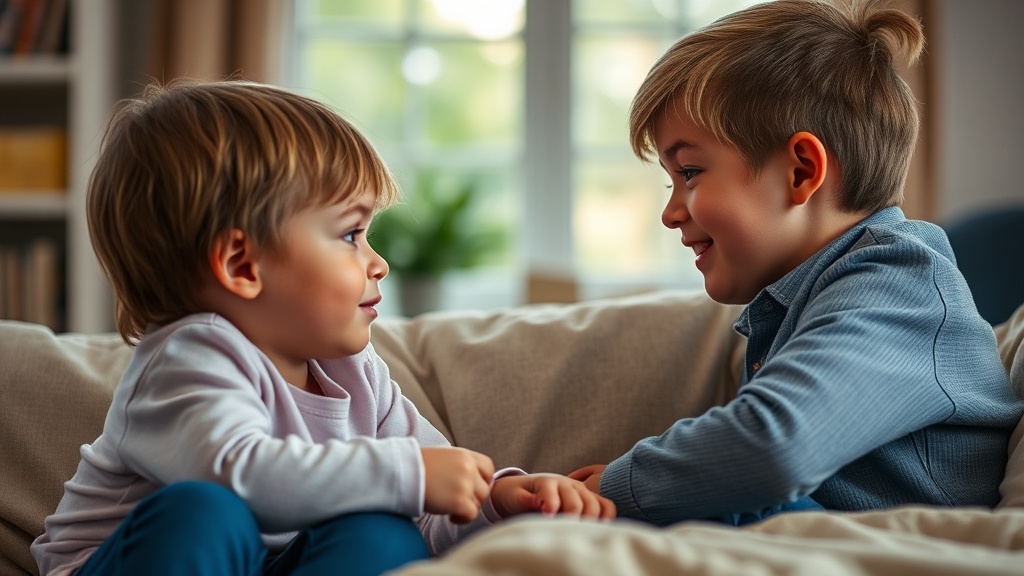
Why Kids Need Quantity Time More Than Perfect 'Quality' Moments

American children now average just 34 minutes of meaningful conversation with their parents each day — down from nearly an hour in the 1980s. Yet parents spend more money than ever on enrichment activities, tutors, and curated experiences designed to maximize "quality time." We're working harder at parenting while our kids get less of us. Something doesn't add up.
The slow parenting movement asks a different question: What if the best thing you can give your child isn't a perfectly planned afternoon at the museum — but simply more of your ordinary, unremarkable presence? This isn't about doing less out of laziness. It's about recognizing that children build security and develop emotional regulation through accumulation of small, consistent moments rather than orchestrated peak experiences.
What Is Quantity Time and Why Does It Matter for Child Development?
Quantity time sounds unglamorous because it is. It's the 20 minutes you spend folding laundry while your four-year-old chatters about their imaginary friend. It's the car ride where you listen (actually listen) to a rambling story about what happened at recess. It's sitting in the same room reading separate books, your presence a steady backdrop to their independent play.
Research from the American Academy of Pediatrics consistently shows that what children need most for healthy development is "responsive caregiving" — interactions where adults notice, interpret, and respond to children's cues. These micro-moments happen dozens of times daily, but only when you're actually around to catch them. You can't schedule responsive caregiving into a 45-minute window on Saturday morning.
The pressure to make every moment "count" has parents performing childhood instead of living it. We document, optimize, and curate. We worry that our children will remember us as distracted or distant — so we plan elaborate outings to compensate for the Tuesday evenings we spent answering emails. But children form their internal working models of relationships through frequency, not intensity. They need to know you'll be there when they skin their knee, not just when the tickets were expensive.
How Can Parents Reduce the Pressure to Perform Perfect Parenting?
Social media hasn't helped. Scroll through parenting content and you'll see beautifully lit sensory bins, elaborate birthday parties, and families on adventures that look professionally staged. The implicit message? Good parents create magical moments. Regular old hanging out doesn't photograph well, so it doesn't register as valuable.
Start by noticing when you're performing parenthood for an imaginary audience. Are you explaining museum exhibits in an animated "learning voice" that exhausts everyone? Are you forcing craft time because you saw it on Instagram when you'd all rather just sit on the porch? The performative impulse comes from love — we want to give our children enriching experiences. But children pick up on inauthenticity. They'd rather have the real you, even (especially) if the real you is tired and just wants to make sandwiches together.
Try this experiment: For one week, don't plan any special activities. No outings, no projects, no enrichment. Just be physically present during ordinary hours. You'll likely discover two things. First, the pressure lift is enormous — you can exhale. Second, your children will create their own engagement. They'll bring you rocks, ask unexpected questions, and initiate the kind of meandering play that builds creativity. Your job isn't to entertain. It's to be available.
Why Do Children Open Up During Ordinary Moments Rather Than Planned Talks?
Every parent has had the experience of trying to initiate a "serious conversation" with a child — sitting them down, making eye contact, asking about their feelings — only to get monosyllabic responses. Then later, during a bedtime snuggle or while you're both washing dishes, the real story comes tumbling out. This isn't coincidence.
Children (like adults) need low-stakes contexts to process their experiences. When you sit a child down for a "talk," you've signaled that this interaction carries weight. Their guard goes up, or they feel pressured to have something significant to say. But when you're parallel processing — driving, walking, doing chores together — the pressure dissipates. Side-by-side communication feels safer than face-to-face for many children.
Psychologist John Gottman's research on emotional connection applies beautifully here. He found that strong relationships are built through "bids for connection" — small gestures seeking attention, affirmation, or affection. A child showing you a bug, asking "why" for the hundredth time, or inviting you to see their block tower — these are bids. When you're present for enough quantity time, you can respond to more bids. Miss them because you're planning the next quality experience, and the connection frays.
What Does Slowing Down Actually Look Like in Real Family Life?
Slow parenting isn't about achieving some pastoral ideal where children wander meadows while you write poetry. Most of us have jobs, responsibilities, and limited patience. The goal is sustainable presence — being where you actually are instead of mentally compiling to-do lists or scrolling while your child talks.
Practical shifts might include: Leaving gaps in the weekend schedule instead of filling them. Taking the longer route home so conversation can unfold naturally. Saying "I'm going to put my phone in the other room for an hour" and then following through. Letting your child join you in mundane tasks — even though it takes longer — because the conversation matters more than efficiency.
The National Childbirth Trust emphasizes that children benefit enormously from "everyday interactions" — the chat while cooking, the reassurance during a thunderstorm, the shared laugh over something silly. These moments don't require planning or expense. They require showing up.
Some parents worry that slowing down means their children will fall behind — miss opportunities, lack stimulation, fail to develop talents. But consider what children are actually missing when schedules are packed: downtime to integrate experiences, space to follow their own curiosity, and the felt sense that they matter to you regardless of what they're achieving. These aren't luxuries. They're the foundation of emotional health.
Your child won't remember whether you took them to every age-appropriate museum exhibit. They'll remember whether you looked up when they called your name. They won't recall how elaborate their birthday parties were, but they'll carry the felt sense of whether home was a place they could relax and be themselves. Quantity time isn't second-best quality time. It's the real thing — unfiltered, unscheduled, and surprisingly rare in modern childhood. Give your children more of it. They'll know the difference.